Report: Obeah (Caribbean Voodoo)
In this report, I decided to investigate “Obeah” as I made my debut in the Caribbean.
Overview:
Obeah is a kind of religious practice said to have arrived in the Caribbean from West Africa through the slave trade. In Africa, it is known as Voodoo (black magic), but in the Caribbean it is called Obeah. Obeah in the Caribbean reflects the rich ethnic and socio-cultural diversity in the maritime space between North and South America. The diverse cultural exchange brought about by trade and commerce then instigated an evolution of these old religious practices of African Voodoo; Obeah has been influenced by the indigenous peoples of the Caribbean, as well as by Hindus in indentured servitude, employed to support the expansion of the British Empire. Hindu influence in the Caribbean is quite strong, even penetrating “Rastafarianism”, one of the other religions found in the many Caribbean island nations. Rastafarians wear their hair in dreadlocks, eat primarily vegetables, fast frequently, and smoke cannabis so that they may draw closer to the divine.
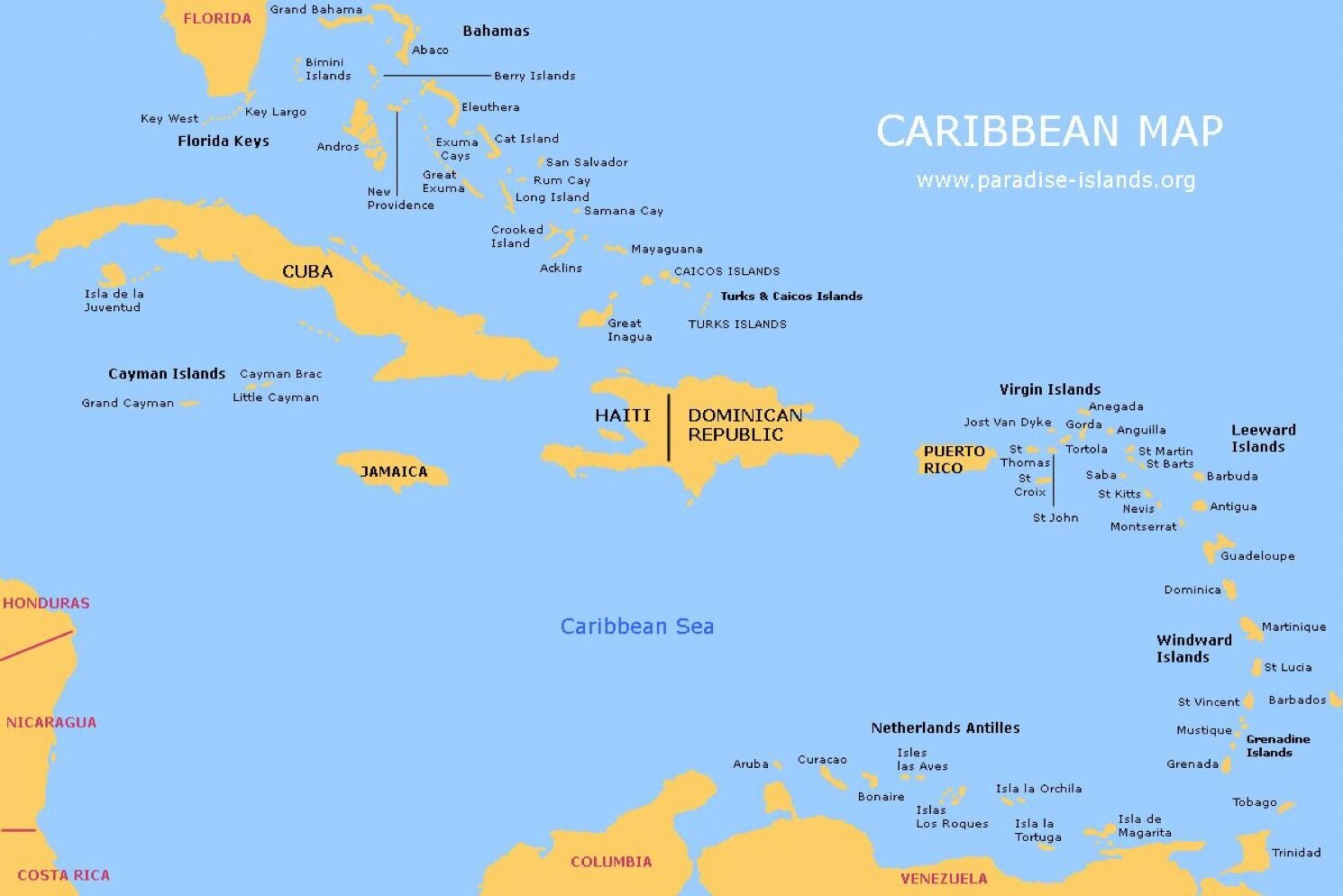
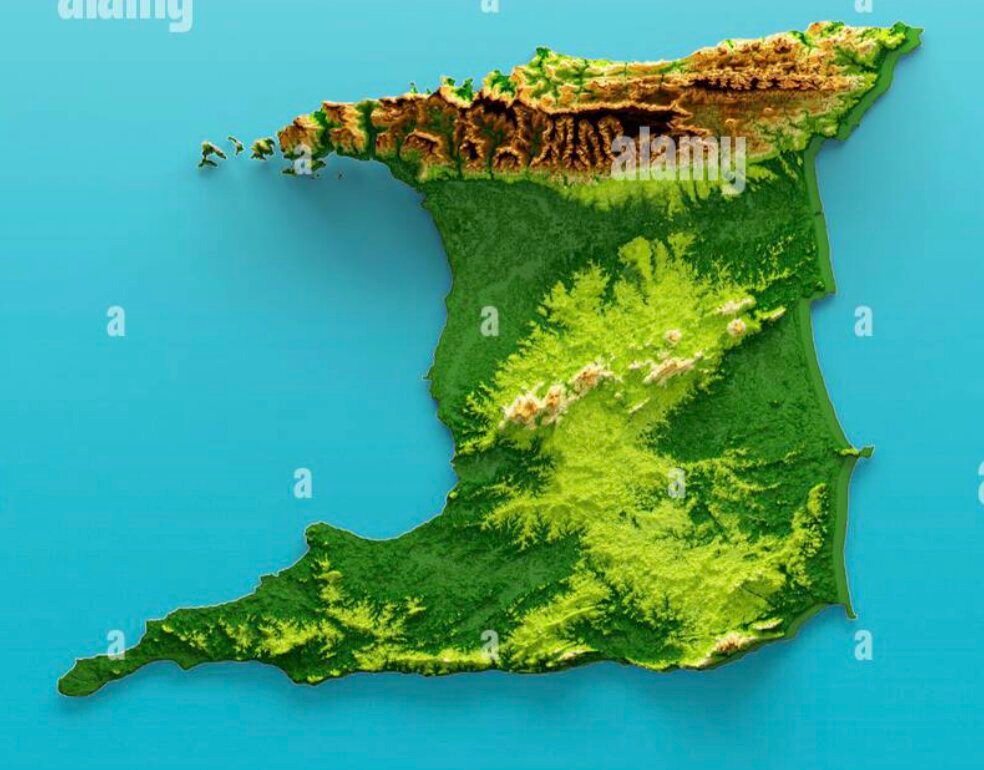
The country I travelled to for my Obeah research was Trinidad & Tobago, an island nation a stone’s throw away from Venezuela.
I had just suffered a setback in my project to promote my books in the United States and ended up on the East Coast after riding Amtrak trains from Los Angeles to Miami. Since there are many flights from Miami to the Caribbean, I seized the opportunity and flew to Trinidad at the end of February 2026.
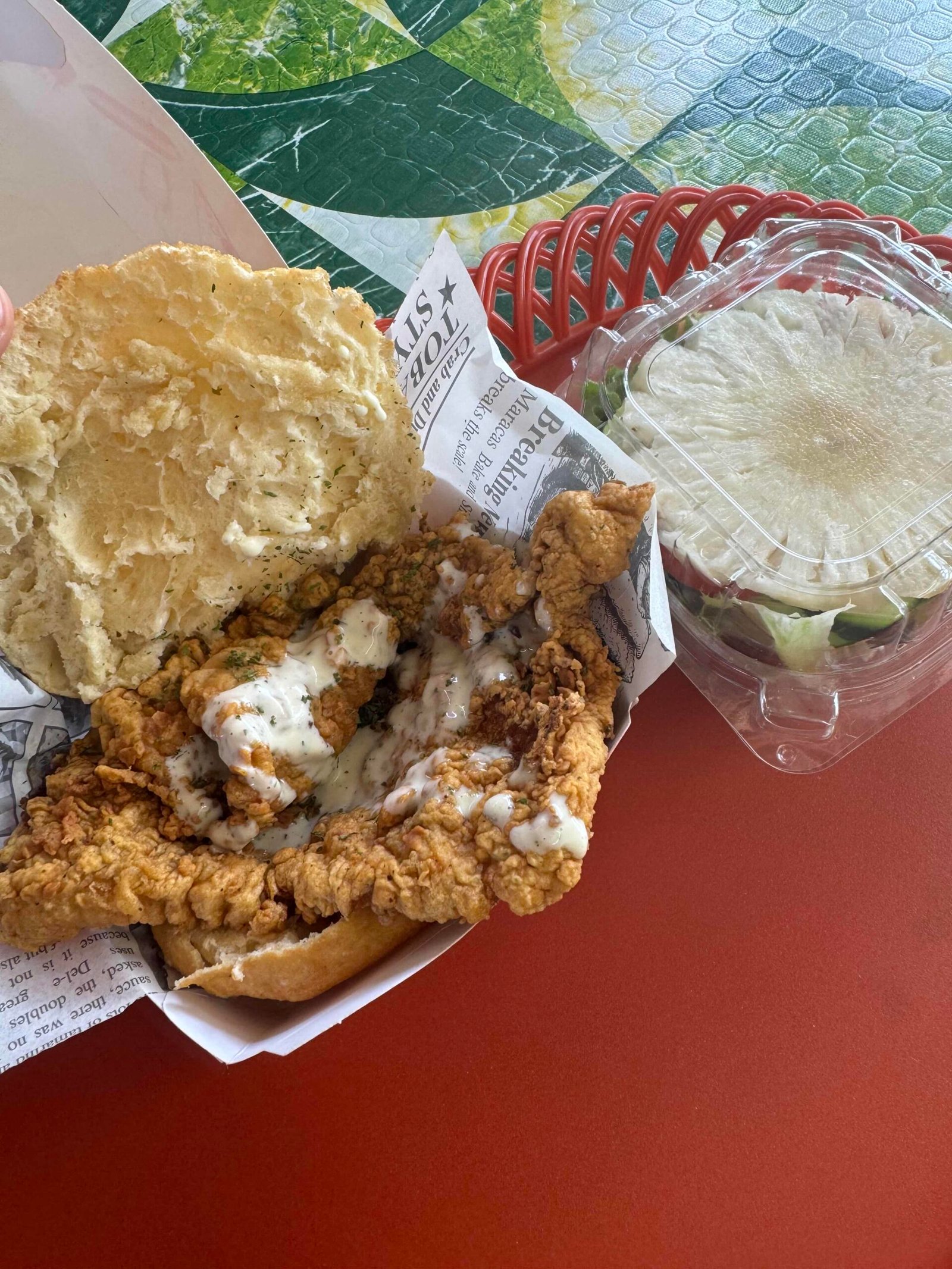
The food in Trinidad was fresher and more delicious than I could have possibly imagined! Alongside the tourists’ favourite “Shark & Bake”, there was “Ital Stew” — a wholesome stew composed primarily of root vegetables, as well as “BBQ Jerk Chicken” which seems to be of Jamaican origin. Seeing dishes that incorporated the local produce of the tropical Western Hemisphere was refreshing to me, having never visited this part of the world.
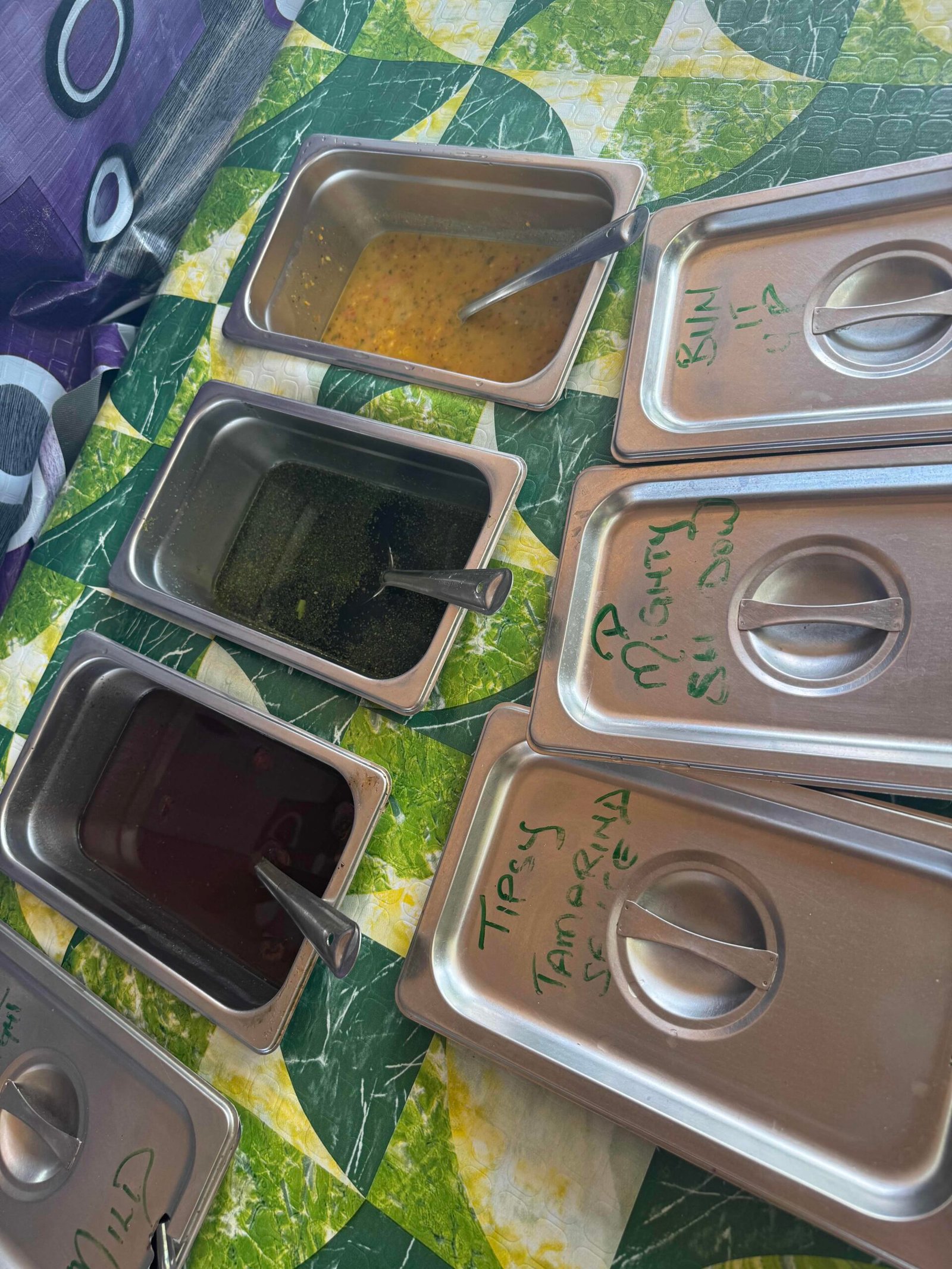
Shark & Bake is deep-fried white fish tucked into fried bread (called Bake) served with a multitude of piquant sauces (all homemade), enjoyed with a loved one on the beach under a roof, taking in the cool breeze that constantly blows. Although the bread is fried in oil, it was not at all greasy. And the array of colourful sauces paired beautifully with the fried local fish, perfectly complimenting the freshness and savouriness of the fish with the distinctive character of each homemade sauce. Tamarind Sauce, Chandon Beni Sauce, Pepper Sauce, grated mango, pickled chilli, pineapple — combinations I had never encountered in the Eastern Hemisphere came together in a way that made perfect sense, and so I enjoyed a pretty fantastic diet every day. Shark & Bakes only cost about $7 USD. I was also impressed by how the proprietor of each Shark & Bake stall on the beach made sure to keep the sauce tray area really clean despite hundreds of people helping themselves to dollops throughout the day.
Ital Stew is a more reserved and humble dish, eaten by Rastafarians. When I first saw it, it seemed to me to closely resemble a Hindu Ayurvedic dish. After checking online, I learned that Ital Stew was indeed a dish that emerged from cultural exchange between enslaved Africans and Indian indentured servants and their new environment in the Caribbean. The connection to Ayurveda lay in the emphasis on the “vitality” of ingredients (“Ital” itself being the Patois term for the English word “vital”) — a way to sustain the human body with fresh, local produce untainted by death or artificial seasoning. A point of difference from Indian cuisine proper, as far as I could observe, is that spices and oil were used far more sparingly here. “Ganjaman”, a greengrocer whom I got to know well on this trip, made an Ital Stew for me and his friends by boiling various starchy root vegetables in water. He simmered beans, cassava, dasheen, yam, sweet potato, eddoe, plantain, and carrots together, later adding “dumpling” — a pasta-like handmade dough made from flour and water. The result was an extraordinarily pure, salubrious and mild-tasting dish that sated the appetite despite being vegan. Dasheen and Okra featured prominently in this island’s cuisine, and as a lover of gooey ingredients, I hadn’t expected to savour such generous servings of mucilaginous vegetables before coming to the Caribbean.
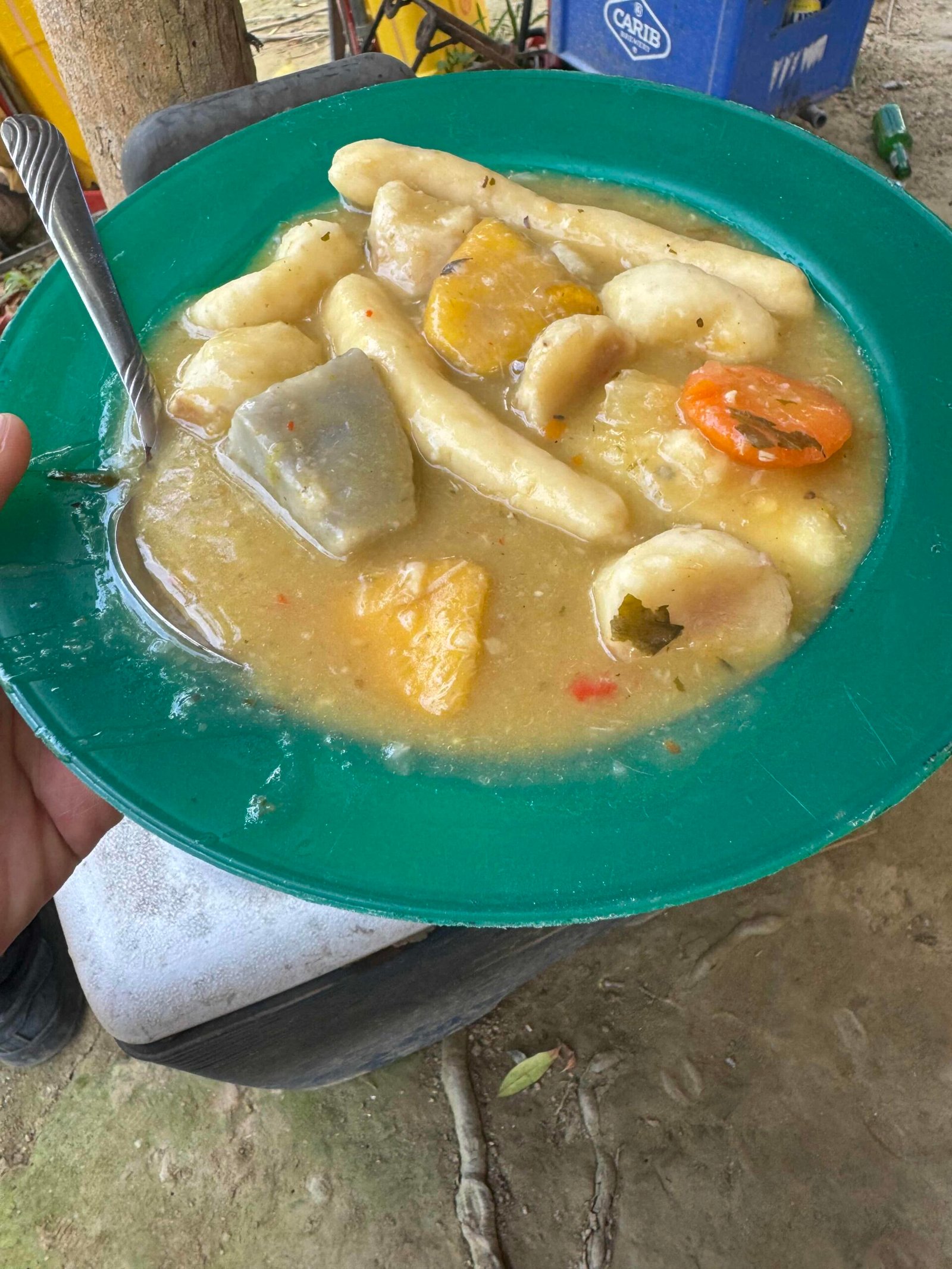
Ital Stew
The reason I chose Trinidad among all of the nations of the Caribbean for this research is because a person named “Merlin” had gifted me a book of Trinidadian folk tales. In preparation for this research, I read the book to gain knowledge of Trinidadian culture before making the trip. This practice of thorough pre-research through reading literature is something I have not done since attending the Vipassana meditation centre in Bodh Gaya in 2024 for a 10-day silent meditation session (I read the Bhagavad Gita to prepare for it). I read cultural artefacts in advance partly to ensure I am not deceived or misled, but more than that, it gives me the advantage of conducting a meaningful investigation within a limited timeframe.
On the plane to Trinidad, a man of about sixty sitting next to me struck up a conversation. He was a Hindu Trinidadian, and when he heard the purpose of my visit, he shared some information with me:
· The Obeah religion involves venerating one’s ancestors, with a belief that those ancestors watch over the living.
· To participate in an Obeah ceremony, one must be invited.
· If I am interested in Obeah, I should approach the Orisha people (those who still observe West African Yoruba religious practices).
· Obeahmen and women are discreet, holding ceremonies sporadically in places like roadsides, and depart once they are over without leaving a trace.
I had also timed my trip carefully: early February was Carnival season when the island teems with tourists. So I purposely arrived in late February to avoid a) the crowds and b) profit-seeking “Obeahmen” looking to capitalise on tourists’ curiosity. In fact, Caribbean people in general hold extremely negative and sceptical views on Obeah. “It’s just a scam”, and “They’re all fraudsters” were the warnings given to me by Merlin, the woman who had gifted me the book on Trinidadian folk tales.
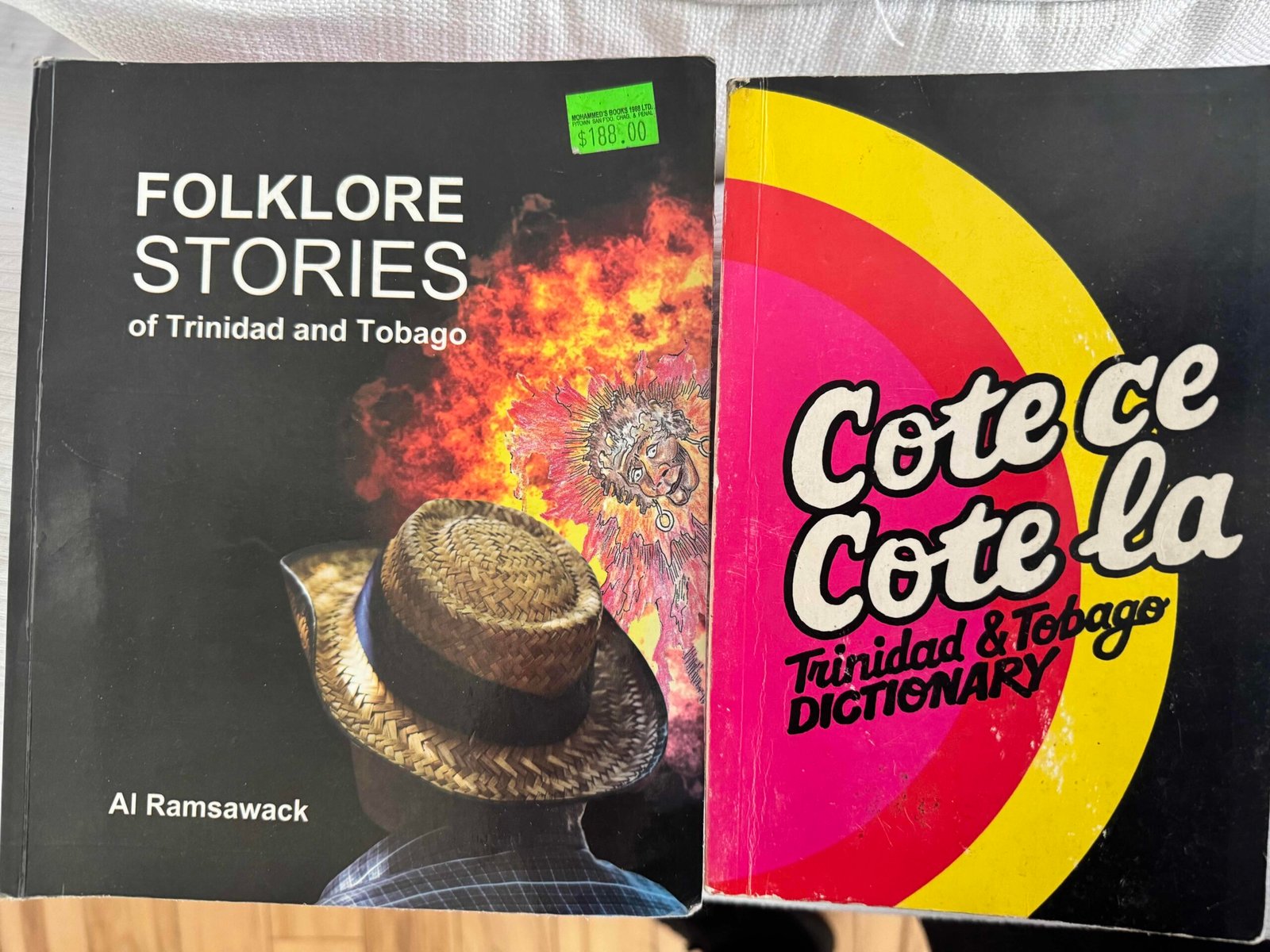
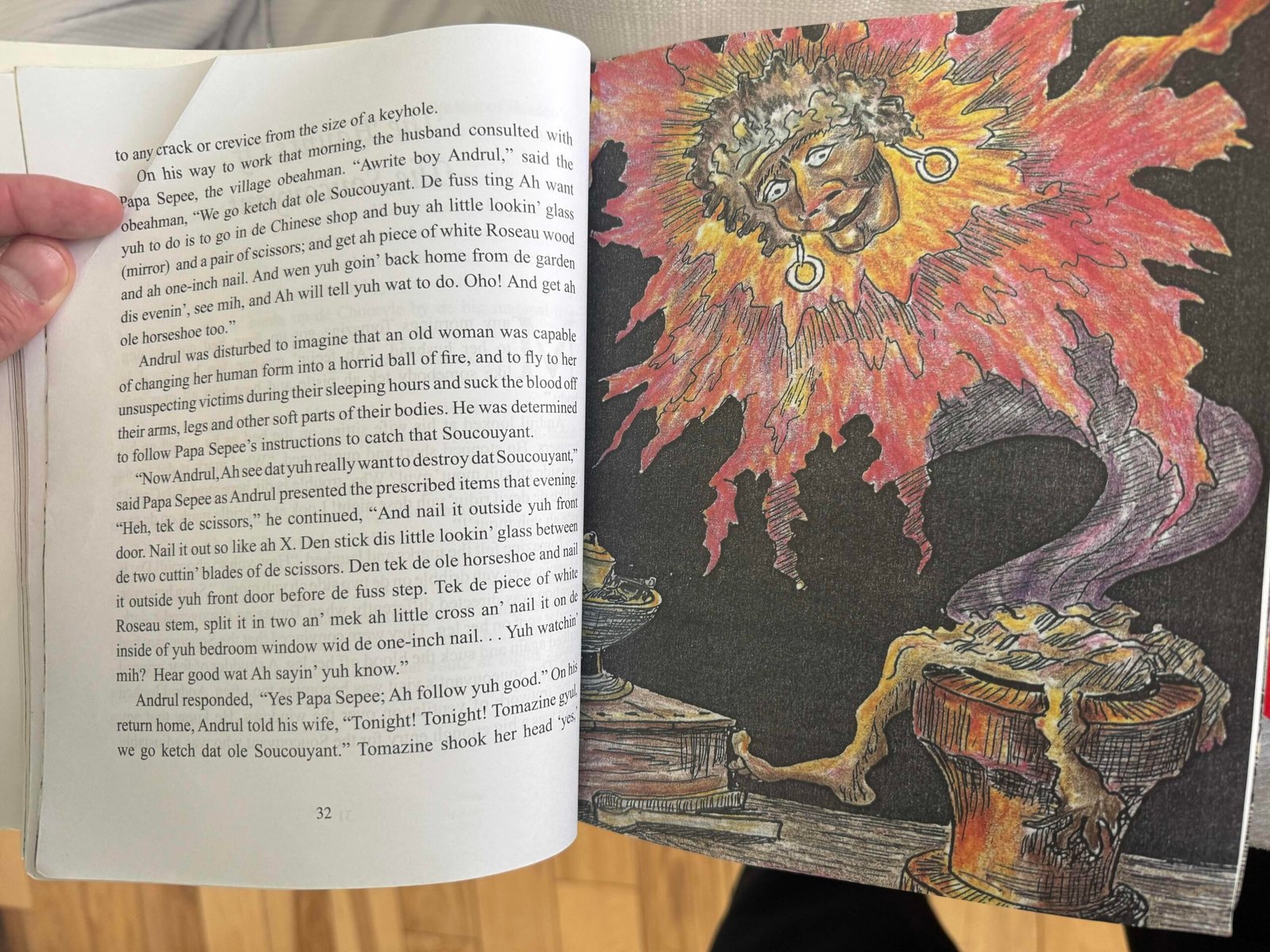
Folk tale collection and Patois English glossary
For this research, I kept a diary to convey not only Obeah but also the atmosphere and culture of Trinidad in an easy-to-understand format:
Day 1:
Feels as if I have arrived in Africa. Streets are full of black people playing reggae music at full blast. Arrived at the airport in the middle of the night, assembled my bicycle and cycled to the nearby town of Arouca. Hotel costs are higher than I expected. Despite being a tourist destination, cheap accommodation was hard to find. I found a “love hotel” for around $50 USD a night. The reception consisted of a reinforced one-way mirror and a tiny slot to make payment. It must be quite dangerous here.
Day 2:
I cycled out to a Trinidadian shopping mall. Very clean, modern and spacious. This island has many Starbucks cafes, and with the oil & gas industry flourishing, Trinidad appears to be quite a prosperous country. Outside a Starbucks, a beggar woman approached, and after giving her some money I asked her about Obeah. She said: “Please be careful. Obeah is a dark force, and there is nothing good about it. Even so, if you insist on engaging Obeah, be sure to have a pastor pray for protection over you. In this world, there are powers that can permanently change you.”
Hearing this, I was immediately reminded of the Vipassana meditation centre in Bodh Gaya — the nightmare that was ten days of silent meditation. The meditation centre was, in fact, a brainwashing centre; an abominably evil place where meditators risked losing themselves and giving in to a dark nihilism in which nobody really exists and everything is an illusion. Bullshit. I must tread carefully. Everyone I have spoken to thus far has said beware regarding Obeah.
By my second day, I felt that I wouldn’t find Obeah in urban centres. The atmosphere was simply too commercial. Perusing a map of the island, I saw that on the other side of the mountains to the north of Trinidad was a place called “Maracas Bay”. Going there might reveal a different side of Trinidad, and perhaps I will find Obeah there. I resolved to leave for Maracas Bay by bicycle the following day.
Day 3:
The road to Maracas Bay was arduous. I cycled up narrow mountain roads continuously for 450 metres, suffering severe heatstroke. On top of that, my skin got completely sunburnt. When I finally checked into my apartment in Maracas Bay and took a shower, my skin started to itch terribly. Always prepared, I had brought with me homemade sea buckthorn oil (облипиха масло) that I had purchased in Armenia in the ex-Soviet Union, used to temper irritated skin. When I applied a few drops of oil to my skin, the inflammation subsided and the burn cooled, as the skin absorbed the nutritious, natural oil, as the itching disappeared.
Maracas Bay was a quaint little village, and I had a feeling that if I stayed long enough and gained the trust of the residents, my research into Obeah could progress.
Day 4:
I remained in my apartment for the whole day to recover from the previous day’s gruelling bicycle journey. The atmosphere in the village was wonderful. It was the air that was truly refreshing. The north side of the mountain range receives constant clean air from the trade winds sweeping westwards across the cooler Atlantic ocean. In contrast, the air on the south side of the mountain range of Trinidad, where the cities are located, was dense with dust and pollution from traffic, causing the heat to linger and cling to your clothes. To be honest, in all of my travels around the world, I have never experienced weather this good.
On this day, a state of emergency had been declared in Trinidad & Tobago due to gang violence. But somehow, I didn’t feel any danger at all. Also, when I asked villagers where I might find Obeah, they looked at me strangely, regarding me with suspicion and simultaneously warning me: Be careful, they said.
Days 5–10:
For six days, I rested and lounged under the roofs of the beachside huts serving Shark & Bake on Maracas Bay, just basking in the trade winds. No matter who I asked, nobody would point me towards Obeah. The villagers appeared suspicious of me. I had come to this island with a simple wish to conduct research, and although I prepared by reading a short book, I have to admit that I was still ignorant of this country’s culture and mood. I say this because the beautiful nature and perfect weather makes you forget the fact that Trinidad was key launching pad for the “Special Maduro Operation” — in which the President of Venezuela was captured, just one month prior. US Navy vessels, spies and drones prowled these waters. Targeted strikes of drug-running boats were still actively taking place in these waters, and bodies had even been washing up on the island’s beaches. So the villagers probably suspected me of being a spy. On top of that, my telling them that I had come to Trinidad to “look for Obeah black magic” must have been incomprehensible to them, serving only to increase their wariness of me further.
Even so, I ate Shark & Bake and thoroughly enjoyed myself every day. One Friday night a block party formed around my apartment, and while I sat watching from the doorway, a group of neighbourhood girls called out to me, and I spent the evening drinking “Puncheon” with them — 75% strength alcohol. Fun times. It should be noted that Patois English is incredibly difficult to follow to the untrained ear, so although it was fun, I was always playing catch-up.
Day 8:
I was all out of local currency so I took a bus to the capital, Port of Spain. There are no ATM machines at all in Maracas Bay. The city centre was like an African ghetto. Dodgy black figures with wild eyes come and go in the damp, dusty, hot air. A man approached me as I sat resting on a bench along the main street. He said he was a tour guide and promised to introduce me to people who practice Obeah. We exchanged phone numbers and I asked him to propose a tour programme.
The following day he put forward the following proposal: for a fee of $150 USD, we would ride the bus together into a valley deep in the mountains where he would introduce me to his “acquaintances”. I critiqued his proposal:
J: “Your proposal includes a guaranteed fee for yourself, but provides no guarantee of me actually encountering Obeah. Don’t you have a better idea?”
Man: “First of all, you are insulting me!! I have been a tour guide for 20 years. I have provided tours to Japanese tourists for many years, but you are not like them! Shame on you! You are wasting my time!”
And with that, he abruptly hung up.
What a narrow-minded, petty individual. Instead of coming up with an idea that would work for both parties instead of only himself, he’d rather throw a hissyfit. It was really a sudden outpour of negativity and spite. Listening to his scathing rebuke at the first hint of rejection reminded me of the black kids I clashed with in London growing up. I recalled how they would fly into a rage over the most trivial matters, unable to control their anger, lashing out and resorting to violence. I saw that they have the same mentality here.
Separately, on this day I heard through the grapevine that two bodies had washed up on a beach next to Maracas Bay. One was said to be of someone who had drowned, dragged down by the powerful rip currents of the Caribbean. The other had reportedly washed ashore with hands and feet bound in chains. I see now why they have a state of emergency in Trinidad & Tobago.
Day 11: Encounter with Ganjaman.
I finally felt exhausted enough with Maracas Bay and decided to ride out to explore the north coast of Trinidad. After cycling up a steep mountain path of about 150 metres, I came upon a solitary vegetable stall perched on top of a hill. I shall call the proprietor “Ganjaman” — a black man in his late fifties. He cultivates and sells vegetables directly from his allotment on the hillside: aubergines, okra, various root vegetables, as well as cocoa fruit, pineapple, banana and other delicious fruits. He also grew “green” and invariably smoked it with anyone that passed by his stall which is literally in the middle of nowhere. I took some puffs of homegrown with Ganjaman, and for the first time since arriving in Trinidad, my mind began to work:
· Perhaps I have been fundamentally mistaken in my approach to finding Obeah.
· Obeah is viewed as dangerous here, and I am already been regarded with great suspicion as an outsider.
· When I tell locals that I want to know about Obeah for “research purposes”, there is no way that locals would understand, let alone accept, that rationale.
· They would never reveal their secrets to me like that.
· So, I needed to get closer to their mindset.
· The way they use Obeah black magic is to cast spells on enemies, or to stop a lover from being unfaithful — to manipulate a supposedly pre-ordained fate with black magic. It reflects the mentality and culture of the people that they turn to Obeah because they are: extremely individualistic, emotional, and of a very narrow mind — so they seek personal justice through black magic.
· Obeah is an underground pseudo-science — a means of bending their imagined world to their own advantage to solve problems that cannot be resolved through violence or the courts.
· Each time I asked a Trinidadian: “Do you know anyone who does Obeah?”, they always asked back: “What’dya you need it for? Is there someone you want to do suttin’ bad to?”
· My answer was always: “No, not really. I don’t have any enemies in particular, and I have no worldly desires either. I simply want to learn about Obeah!” — answered like a true rookie.
· With answers like that, I could never uncover Obeah’s dark powers. To get close to Obeah, I needed a genuine beef.
I thought about what had been irritating me lately. And then, I found it — there was MAX’s debt! MAX is a young man I met in France at the beginning of the Eurasian Odyssey, who cycled with me all the way to Sardinia over the course of a month before I ditched him there. And then, while I was in Zaporizhzhia, Ukraine, he called me out of the blue and asked to borrow some money. I voluntarily lent it to him. Three years later, that debt has still not been repaid. A year ago, I made an attempt to collect the debt by paying a visit to his home in London, but was thwarted by his friend. There it is: a genuine grievance for which Obeah might provide a solution.
I no longer know of MAX’s whereabouts. Contact has been severed. But by channeling my anger toward MAX, who vanished with my debt, using it as the proper motivation to seek out Obeah, I just might find it.
I resolved that I myself needed to adopt a Caribbean mindset. Like the tour guide that raged at me over the phone. Yes — it was that “pettiness” or small-mindedness present in some Trinidadians that I lacked. But by letting that “pettiness” breathe and show through, there could be a way to communicate with Trinidadians on a more cultural level and find Obeah to settle a grudge. Ordinarily, I would collect a debt by force, but since I will likely never see MAX again, let’s find an Obeahman to put a hex on him!!!
Day 12: Encountering Obeah.
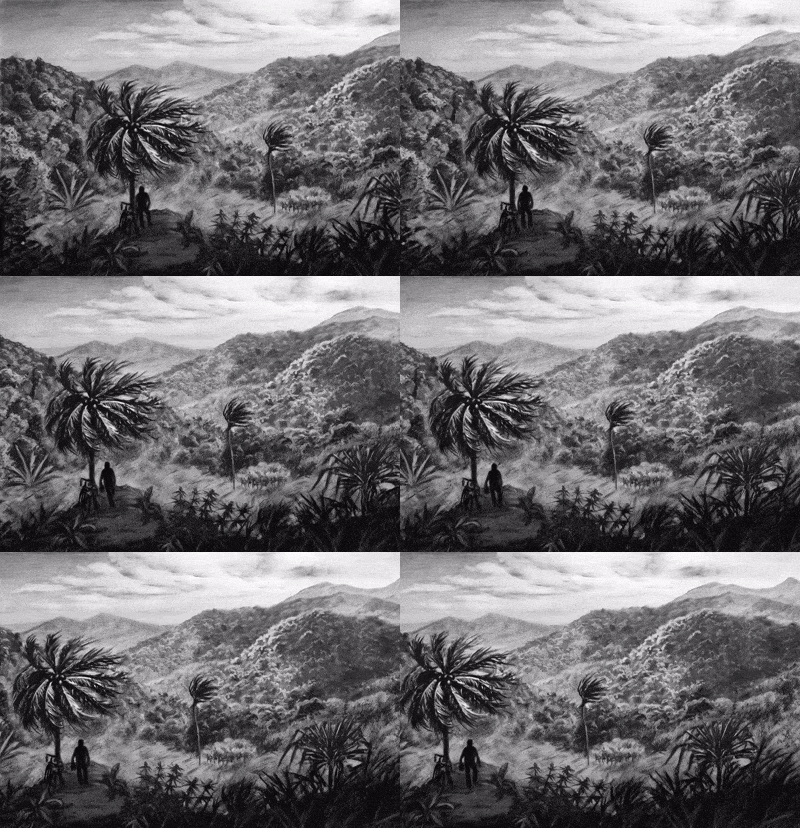
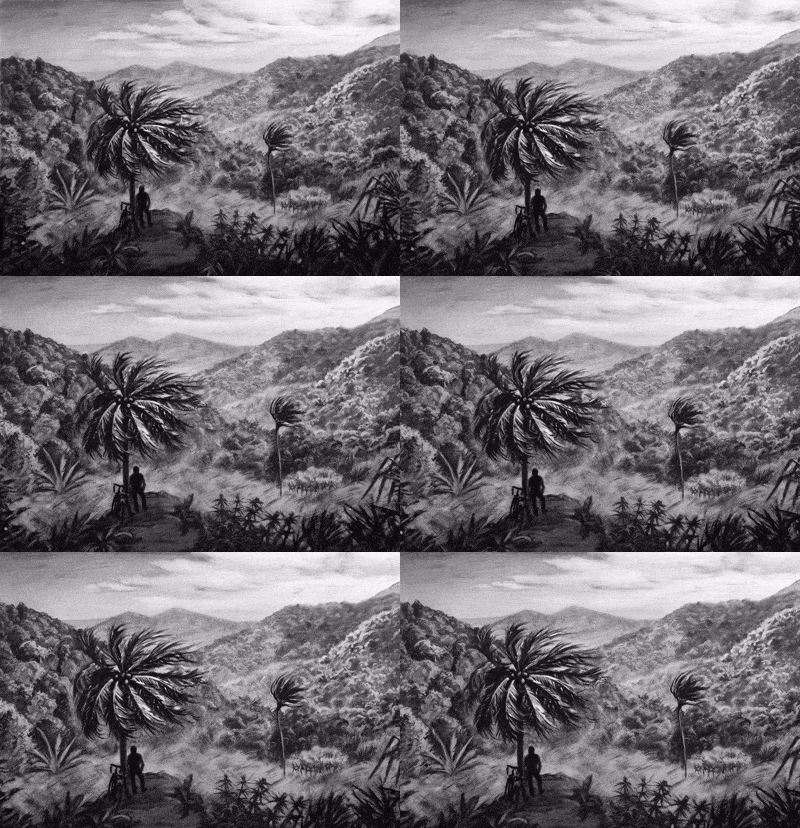
I cycled back up the mountain to see Ganjaman. Behind his hilltop vegetable stall is a vantage point where the trade winds constantly blow in from the east. It is an exquisite spot with a view that gives one an indescribable feeling of exhilaration, as winds sweep away any discomfort caused by the Caribbean heat. Standing out over the mountain lookout, under the shade of a solitary coconut tree, I could happily spend all day or even the rest of my trifling life there, watching over the eastern Caribbean. Out of the blue, I asked my new friend Ganjaman whether he knew of any Orisha devotees who practiced Obeah. When he asked “Why?” I told him about MAX’s debt. At once, he offered to make an introduction; so he lit a joint of homegrown, closed up his stall, hailed a taxi, and the two of us set off down the mountain to find an Obeahman. About 3km down from his stall was a road that snaked into a valley with a river that flowed through it. After getting out of the taxi, the two of us walked into the valley. The road was called Zorro Street. Deeper in the valley was a house built on a slope, and we climbed a steep driveway to reach it. On either side of the driveway were small alcove-like spaces which had been carved into the earthen banks, and inside them candles were burning. When we reached the house, an elderly man came out and greeted Ganjaman. We stood in front of the house and talked briefly:
Ganjaman: “Yah mon!!! This red (meaning white man) has a religious matter he wants to chat to you about, so I brought him to yuh.”
J: “Yes. I am one who seeks Obeah. Pleased to meet you.”
Elder: “I see.”
Ganjaman: “Well then, Julian, my part ends here. Julian is a good man, so take your time with your consultation.”
J: “Ah, so we both share the same name. I understand. Thank you.”
Ganjaman departed swiftly. Like Charon, the ferryman who navigates the River Styx to the underworld and back, he delivered me safely to the bank of the nether realm, then vanished after leaving me on its shores. For the sake of readability, I shall continue to refer to the elderly man who shares my name as the “Elder”, and record our conversation here as best as I can recall:
J: “Pardon me for this sudden visit. I have come from Japan — I am a travelling cyclist and author. I travel the world experiencing fascinating cultures and write about them.”
Elder: “Is that so. Well, first, I would advise you not to use the word “Obeah” lightly. Calling it “‘Orisha Science” would frighten people less. It is natural that you would not know this, since there is nothing like it in your culture, but “Obeah” carries a significant weight and negative impression in our culture.”
J: “I see. I didn’t know that. OK. To tell you the truth, I have already spent twelve days in Trinidad, and I have been struggling to find this so-called “Orisha Science”. After having asked various people unsuccessfully, I came to realise that whenever I said “I am looking for Obeah”, I was invariably viewed with suspicion.”
Elder: “Yes. That is only natural.”
J: “And when asked why I was looking for Obeah, I would answer “for research”, which was not a reason that they could understand, so I was regarded with even more suspicion. So, I thought about it, and realised the problem was with my approach. I realised that if I didn’t have a grudge or desire that Obeah could resolve, nobody would introduce me to Obeah. So I needed a grudge. And after I searched deep within myself, I found it. Three years ago, I lent money to a friend I trusted. He betrayed my trust and has still not returned the money, and I can no longer find him. I would like to put a hex on him through an “Orisha Science” ceremony. What do you think?”
Elder: “Look, Julian, what you are imagining and the ceremonies we hold are a little different. In our religion, various ceremonies are held, and while some of what you are seeking does exist, there is also a ceremony called Puja — simply playing music all day. In fact, this coming Saturday my companions are planning to visit my home to hold a Puja. You are welcome to participate if you wish.”
J: “Oh. Puja? They have the same Hindu ceremony in India — playing music for hours and hours on end to venerate their gods. Ahhh!! I would like to attend, but unfortunately Saturday is my last day in Trinidad. It’s so sad. But I am really glad to have made your acquaintance.”
Elder: “I see. Well, I’ll tell you what. Let me give you a taste of Orisha.”
J: “Really?!”
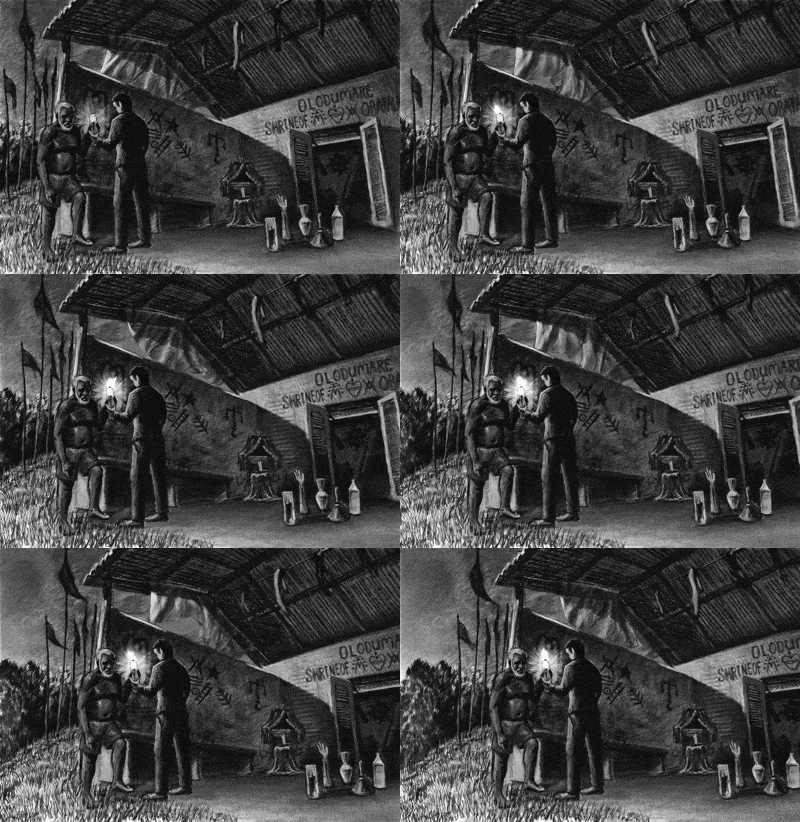
The Elder rose from his chair and led me from the covered open-front entrance of the house to a temple-like space to the side. Various handmade woodcrafts were on display — none of them for sale; all made for pleasure and for religious veneration. A shaker instrument made from coconut shell husks, and wooden carvings representing creatures from Trinidadian folk tales like the “Soucouyant” and “La Diablesse”.
Before entering the temple, the Elder asked me to remove my shoes. On the walls of the temple were drawn familiar religious symbols alongside others I had never seen before. It had a somewhat eerie atmosphere, but I felt calm; no fear whatsoever. That this temple was a profoundly sacred place was clear from the Elder’s reverential manner in which he moved. He took a long, thick candle in his hand and lit it, passing it to me.
Elder: “On the right side of the driveway stands a black flag. Beneath it is a small shrine. Take this candle there and place it inside the shrine. When you do that, leave all of your problems there as well. Once you have placed the candle, complete the ceremony by spilling 3 drops each of olive oil, Puncheon rum, water and honey on the stone floor of the shrine — you will find all of the ingredients you need already placed inside of the shrine. Go now.”
The Elder’s advice was sage and full of moral substance. I did not want to waste this precious opportunity. Although I would not admit it to others, like anybody, I carried with me many problems on my chest. One was indeed the stress of having sought out Obeah and failing for nearly two weeks to find it. As I changed my approach to look for Obeah, I compromised certain aspects of my personality and values. And finally I had found an Obeahman of my own accord, and his offer to me was the chance to unload any and all of my problems and stress in one place: a tiny shrine on his driveway.
I knelt down and placed the candle reverentially inside the shrine and performed the ceremony alone as directed by the Elder. This was the first ritual I had carried out in a long time — probably my first since the anointing ceremony I held atop Mount Sinai in Egypt. As I performed this ceremony, I was enveloped with a deep sense of peace and calm; it was as though a great weight had been lifted from my shoulders, and I felt unburdened.
The problems I carried with me were a little different from ordinary people’s problems. After all, I had come a long way from any place I could call home to this distant island nation, encountering and engaging with an otherworldly culture. Furthermore, in seeking out Obeah — a neo-Voodoo black magic — I was troubled by the realisation that I had gone off the rails in my life once again!! I had come here in search of something interesting, out of a sense of adventure, an earnest wish to conduct research, and of course, for fun, but I had gone in quite deep. I had found a black magic that its people feared and dreaded… but was this truly something I needed in my life?
In any case, I succeeded in finding Obeah. Though I didn’t have time to participate in a formal ceremony, I succeeded in finding a genuine, honest practitioner, even though I could not experience full-blown Obeah. But it was enough. I felt satisfied. I was already blown away by the beautiful simplicity of the Elder’s advice to “leave all of my problems”, right there in that tiny little shrine on his driveway. Obeah was not a scam. It was a pious service.
***
After I offloaded all of my problems in that tiny alcove-like shrine, I sauntered back towards the house to return to the Elder who I found lounging on his porch, to express my deep gratitude. This ceremony was, at that very moment, exactly what I needed, and the Elder had given me the most apt guidance possible. “Leave all your problems in the shrine with the candle”. His advice and instructions were filled with an elegant simplicity, and I recognised it as such.
When I conveyed my feelings of gratitude to the Elder he was greatly pleased, and he opened his heart to me:
Elder: “We Orisha devotees have sharp contrasts between good and evil. So I advise you to beware of those who seek money from you. I am already 78 years old, and I do not wish to taint my relationship with you with money. That is not a good thing.”
J: “Thank you very much. The power of money is the power of Truth. And Truth, as I have learned through long travels, more often than not is desperately disappointing— this, I understand well.”
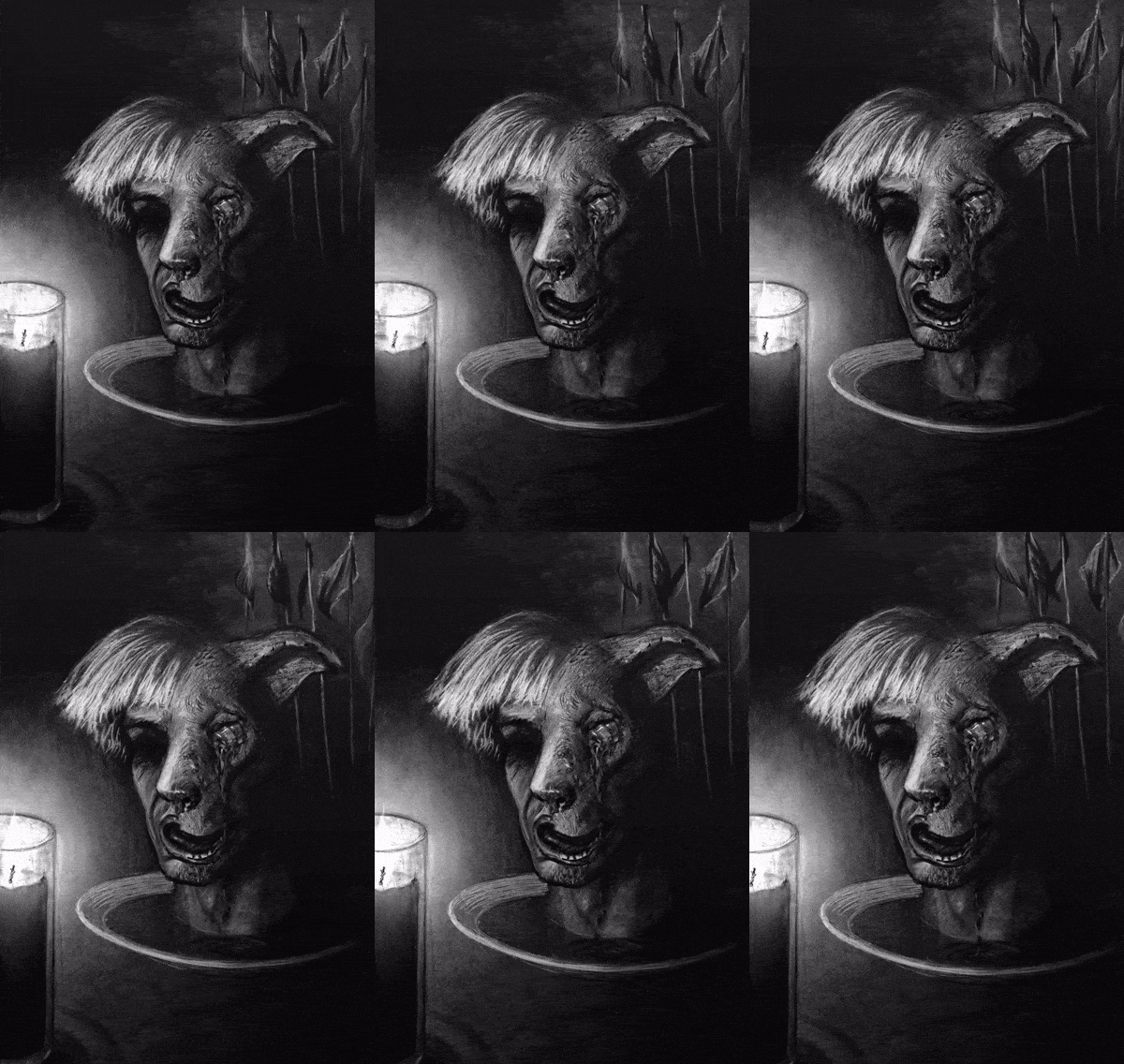
At that very moment, a dog with white fur walked slowly and unsteadily in front of me as I crouched on the ground. But the dog was badly injured. Blood seeped from its left eye, which was red and grotesquely swollen. Seeing this dog, I felt a chill run through me.
J: “Look! Did you see that dog’s eye just now?!”
Elder: “Yes, that is my neighbour’s dog. My neighbour takes care of it.”
J: “But that eye injury?!”
Elder: “I don’t know, it’s sepsis or something. But it’s the neighbour’s dog, so the neighbour is the one looking after it.”
The Elder was quite unmoved. But I became terribly agitated in that moment. The reason was that just the previous day, I had been thinking about what kind of punishment would be appropriate for MAX if I succeeded in putting an Obeah curse on him. A death curse over a small debt would be going too far, but blinding him as a penalty would be fair and just — these were my precise thoughts just the day before. And then, immediately after the Obeah ceremony was over, a dog with a severe eye injury passes slowly in front of me. It was too eerie.
On top of that, in the Patois English spoken by Caribbean people there is the phrase: “Evil Eye.” When casting black magic on an enemy, one purportedly “Puts the Evil Eye on someone”.
Indeed, I had an intention to put the Evil Eye on MAX, at least up until I performed the candle ceremony. But I did not pray for any such vengeance during it. Even so, when the dog bleeding from its eye plodded before me, I recalled the countless warnings I received about Obeah possessing powerful, uncontrollable dark forces, and felt a cold chill run down my spine.
***
I sat with the Elder on the porch beside his house for about an hour longer and talked. The Elder revealed to me that he felt a deep unease about the current state of the world. His unease was one grounded in wisdom and experience of 78 years — something that should serve as an ominous sign for younger people like ourselves. Indeed, Trinidad is situated a mere 10km from Venezuela. The peoples of the two countries have, he said, always helped one another. When food was scarce in Trinidad, supplies would arrive by small boats from Venezuela. Now, they blast suspected drugboats out of the water.
The Elder explained that when President Chavez came to power and made gasoline practically free for its citizens, the United States came to resent this and imposed sanctions and pressure on Venezuela. President Maduro, who succeeded Chavez, was curiously referred to as Chavez’s “brother” by the Elder. The struggle between good and evil — of putting the People first and resisting American pressure — came to an end just a month ago with Maduro’s capture. The Elder’s morality, wisdom, knowledge and experience were worthy of attention and respect, and as I listened to his explanation of Caribbean geopolitics, history and culture, I could only sit and listen.
When the conversation turned to his religion, he spoke confidently of the importance of sacrifices — sheep, goats, fowl birds. He stated with pride that the various sacrificial ceremonies pleased the ancient spirits that Orisha devotees venerate, and those spirits would, in turn, return those sacrifices two or threefold. I did not let this opportunity pass. As I asked “How about human sacrifices?”, the Elder’s smile disappeared from his face. “I know nothing about human sacrifice! I have heard rumours, but it obviously cannot be a good thing.”, he replied. To ease the tension in the air, I laughed it off as a trick question, but I quietly noted the inconsistency in the Elder’s words. If the belief of Orisha devotees is that ancient spirits are pleased by sacrifices, then why is human sacrifice treated separately? Perhaps that too is one of the mysteries of this religion. The people of this region possess a mentality that those of us from Europe or Asia simply cannot fathom. This much I learnt from this trip to Trinidad & Tobago.
The Elder offered me a coconut. Watching me savour the sweet, cool coconut water directly from its shell, the Elder then said he wanted to give me a gift, and went inside the house. He returned from the refrigerator with something resembling a brown stick and handed it to me. It was a cocoa stick. Trinidad is famous for producing some of the finest cacao beans in the world. When I smelled that heavenly aroma, it was as if a switch had been flipped — my interest completely shifted from Obeah black magic to chocolate.
J: “This… this is… This is homemade chocolate?!”
Elder: “It is a cocoa stick. I have a cacao plantation on my land. I extract the cacao beans, dry them, grind them into powder, mix them with other spices, and shape them into sticks and so on. Please, take it with you.”
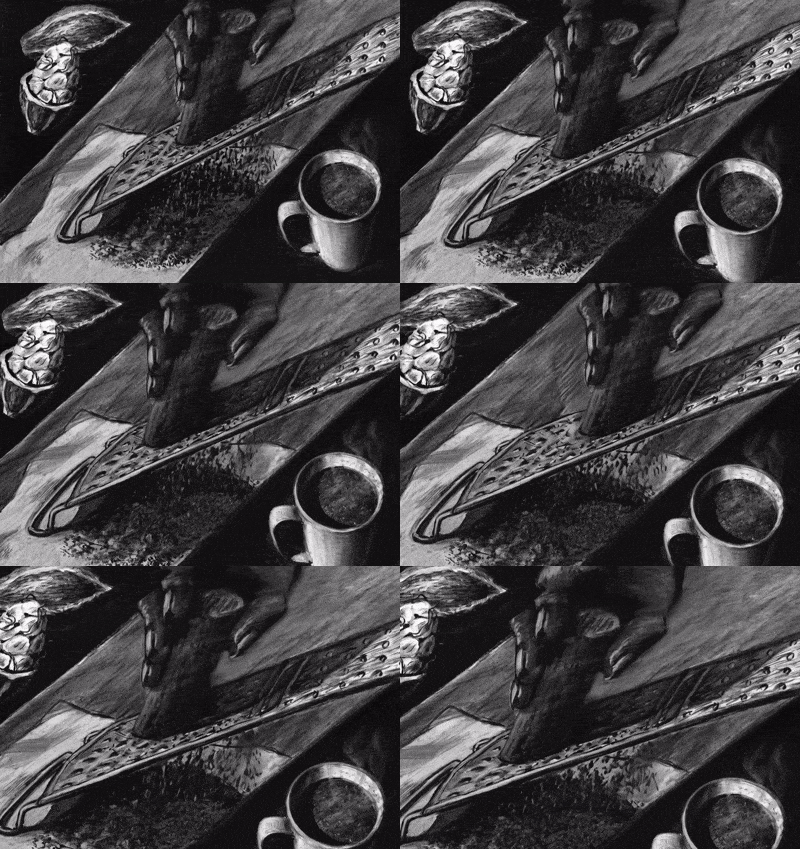
I was captivated by the aroma of the handmade cacao. So this is what real chocolate smells like. The Elder recommended grating the cocoa stick into a powder to make tea with.
There was no reason to take up any more of the Elder’s time. My remaining time in Trinidad was short. And right there, it became clear what I wanted to do with that remaining time: to collect as much real cacao as possible. I had never encountered such a rich, chocolatey aroma before. I have tasted various commercial chocolates in the form of Swiss or Belgian chocolates, but nothing as pure as this. And just like that, an entirely unexpected delight was found.
As for Obeah — I cannot give you a definitive conclusion as to its efficacy or utility. If something were to happen to MAX’s eyes, it might suggest the power of Obeah, or it might just be coincidence. But having glimpsed the faint darkness of Obeah within this heavenly, paradisal island, I felt I could leave satisfied with my work here. And if the day should ever come when I need Obeah in my life, I knew exactly where to find it.